
Borealis has combined with Borouge and NOVA Chemicals to form Borouge International, a new global polyolefins leader.
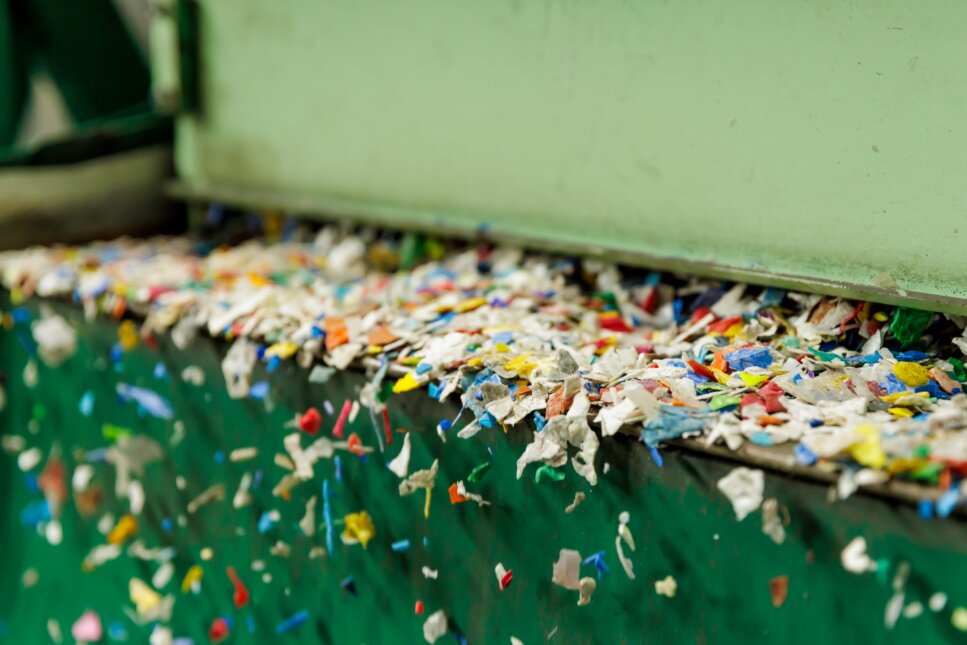
Photo: Shredded plastic waste
© Borealis
Indonesia is facing significant challenges in managing its growing waste volume. High population, urbanization, and limited infrastructure have resulted in much of the country’s waste being inadequately collected, sorted, or processed. As a result, large quantities of waste are dumped or burned, leading to environmental pollution and health risks for communities. Improving waste management systems and circular economy is therefore essential for Indonesia to move towards a more sustainable and livable future.
To support Indonesia’s ambitious waste management and recycling targets, we have initiated a joint project together with local and global partners to drive forward the implementation of integrated waste management systems and recycling.
Each partner will contribute valuable expertise and resources to this new partnership which aims to create Indonesia’s first fully integrated circular waste management ecosystem, focusing on transforming plastic waste into valuable recycled materials.
This initiative supports our vision of accelerating the shift to a circular economy for plastics, particularly in regions where waste management is a challenge. By working closely with Project STOP – an initiative co-founded by Borealis and Systemiq that partners with local communities to design and implement circular waste systems – the project aims to reduce plastic pollution, prevent waste from entering the environment, and support local economic development.
“Our partnership is paving the way for a new model of waste management and recycling in Indonesia. By combining our expertise, we are taking concrete steps towards a circular economy for plastics and making a real impact on reducing waste pollution. This initiative is about more than just recycling. It’s about creating lasting value from materials that would otherwise be discarded, and ensuring that our actions today contribute to a healthier environment for the generations to come,” says Stefan Doboczky, CEO of Borealis.
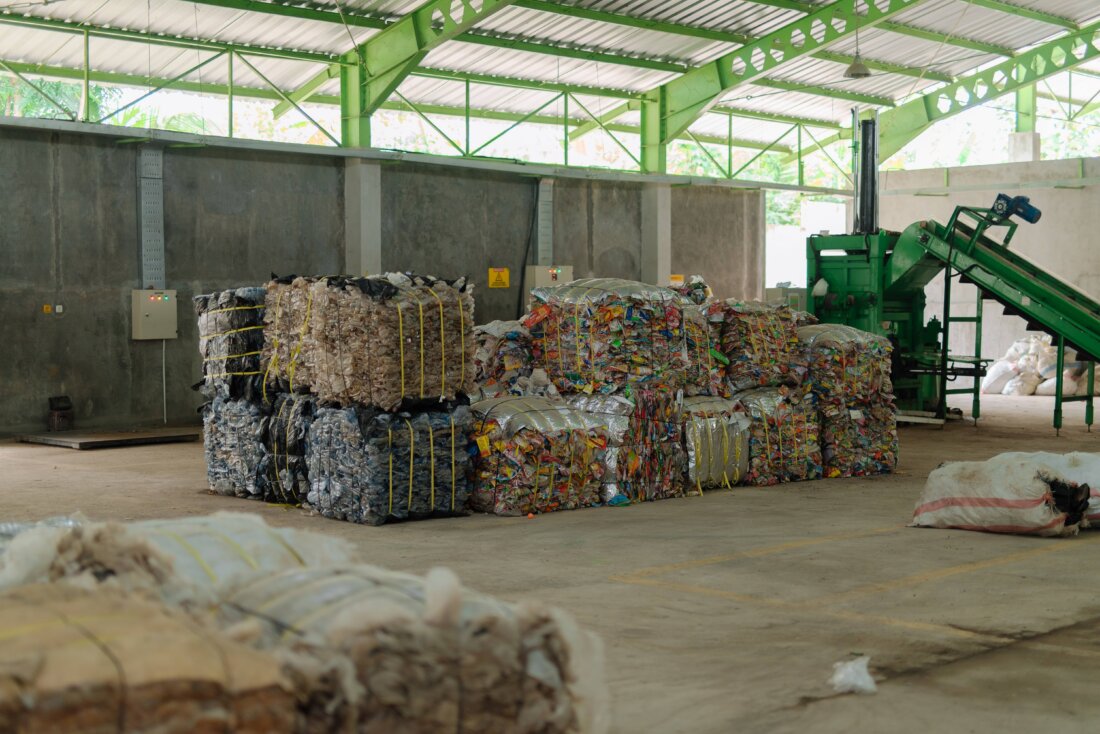
Photo: Sorted plastic waste
© Project STOP
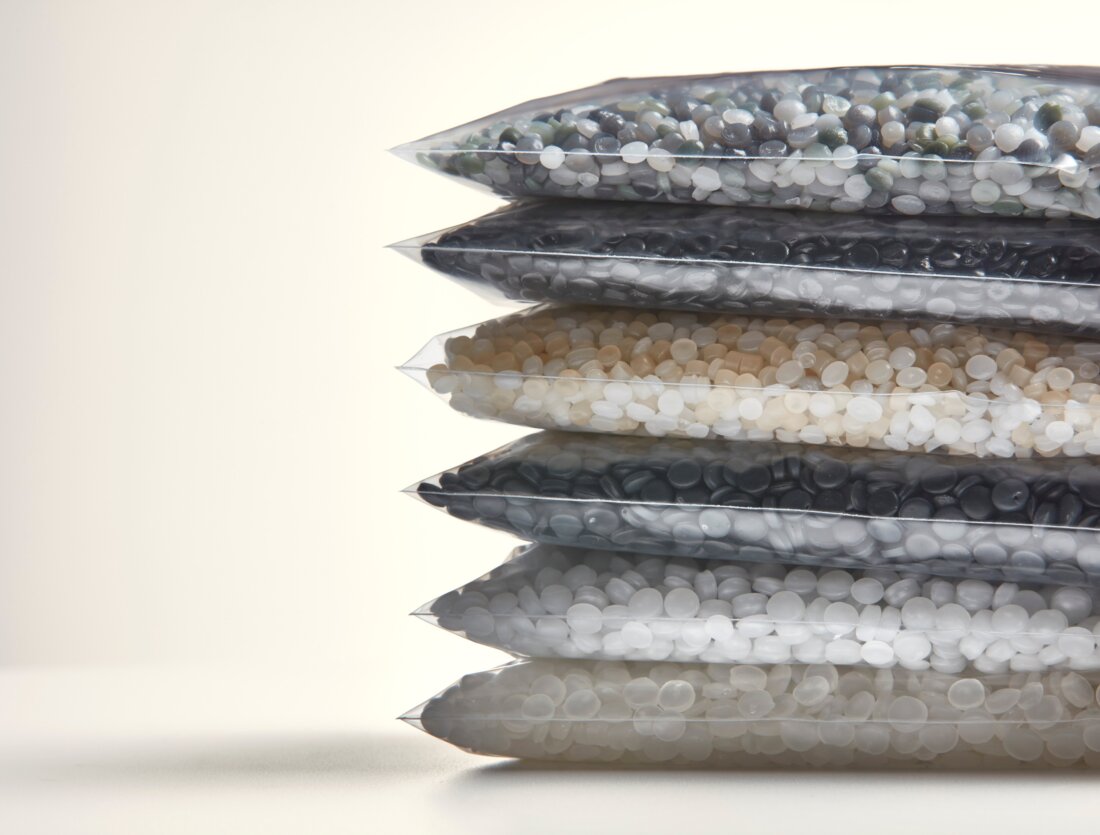
Photo: Packed recycled pellets
© Borealis
The feasibility study marks the beginning of an exciting journey. Together with our partners, we are committed to jointly building a circular waste management model in Indonesia that transforms plastic waste into a valuable resource while protecting the environment, and creating new opportunities for local communities.
This blog post is also available in German language.
Read the media release here.