Borealis has combined with Borouge and NOVA Chemicals to form Borouge International, a new global polyolefins leader.
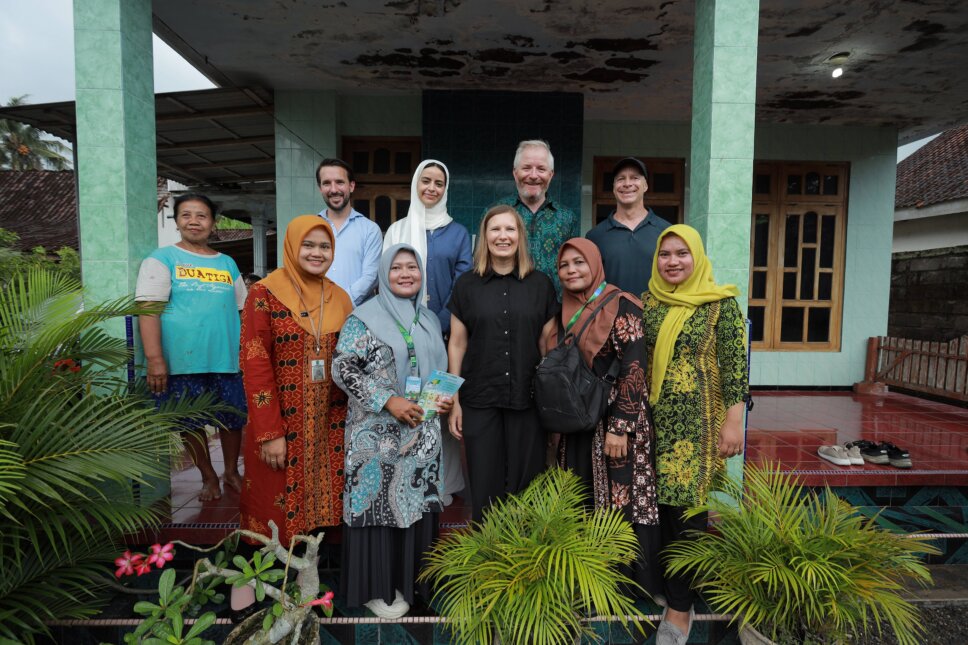
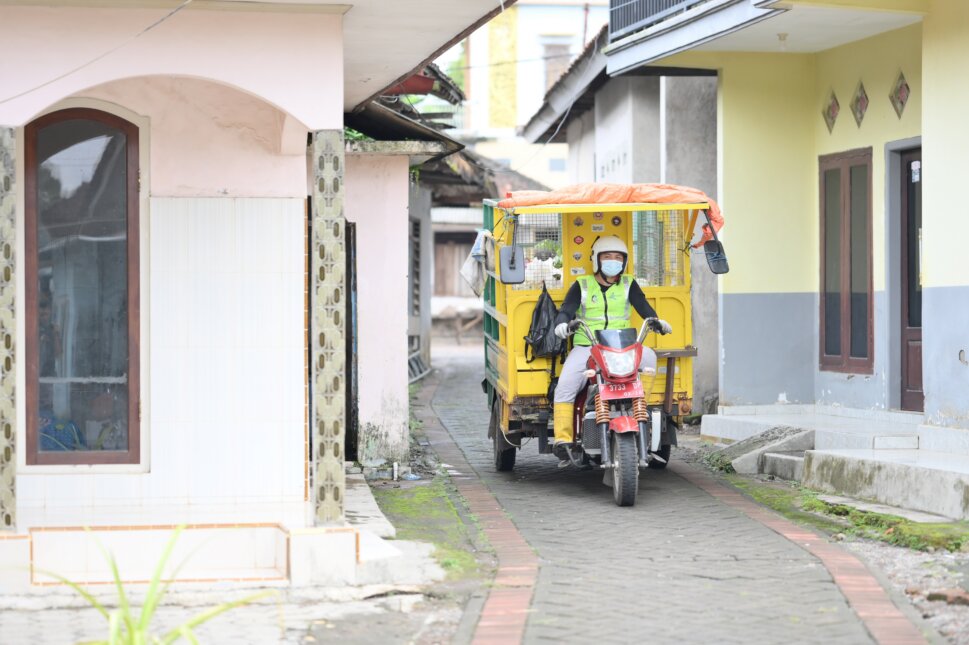
Photo: Mari Kylmäläy, Systemiq and Clean Rivers representatives are visiting local communities in Bagorejo village in Banyuwangi.
© Project STOP
In 2017, Borealis and Systemiq co-founded Project STOP with a bold vision: to stop ocean plastics at the source by building circular waste management systems in Southeast Asia. Today, Project STOP has surpassed 100,000 metric tons of waste collected in Banyuwangi Regency and other STOP partner cities in Indonesia – a milestone that reflects not just numbers, but real, tangible change for people and the environment.
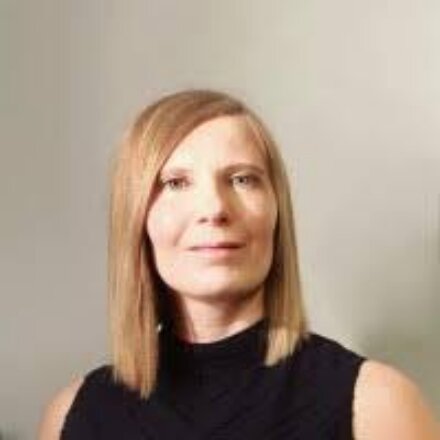
Mari Kylmälä, Project STOP Manager at Borealis and located on the ground in Indonesia, talks about the journey, the people behind the progress, and why this project is a source of pride and inspiration for everyone at Borealis
In 2025, Project STOP reached a major milestone in Banyuwangi Regency, Indonesia. Mari, can you recap what made this year so extraordinary?
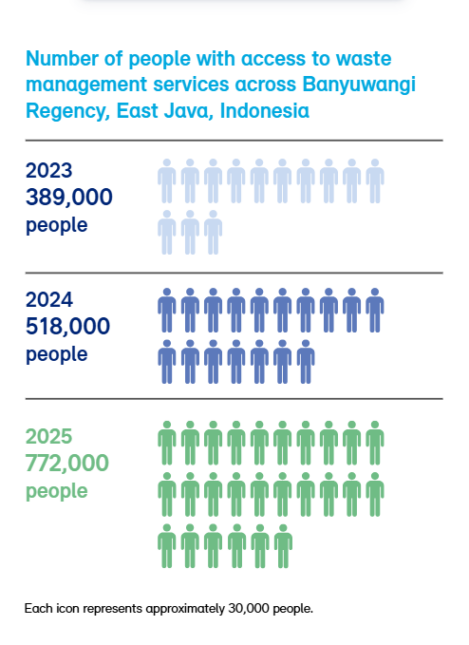
Mari Kylmälä: 2025 was a landmark year for us in Project STOP. We surpassed 100,000 metric tons of waste collected. To put that into perspective, that’s enough waste to fill more than 40 Olympic-sized swimming pools - waste that would otherwise in majority have ended up in rivers, oceans, open dumps or being burned in backyards. This means cleaner neighborhoods, healthier lives, and a more sustainable future for over 770,000 people who now have access to affordable, end-to-end waste management services. This service is a new service for them, that had to be established and built from scratch. That’s an impressive achievement.
What does this mean for the local communities, beyond the environmental benefits?
Mari: The impact goes far beyond the environment. Since 2017, Project STOP has created 276 full-time jobs in Banyuwangi and surrounding areas. These are stable, meaningful roles and new formal employment opportunities that did not exist before in the area - from waste collectors to facility operators and community facilitators. The economic boost is just as important as the environmental benefits, and it’s something we’re incredibly proud of. Also, the region will benefit from a positive impact on fishery and tourism, which will provide further indirect job opportunities for local communities.
Looking back to the roots of the initiative: Why did Borealis decide to launch Project STOP, and what makes it unique?
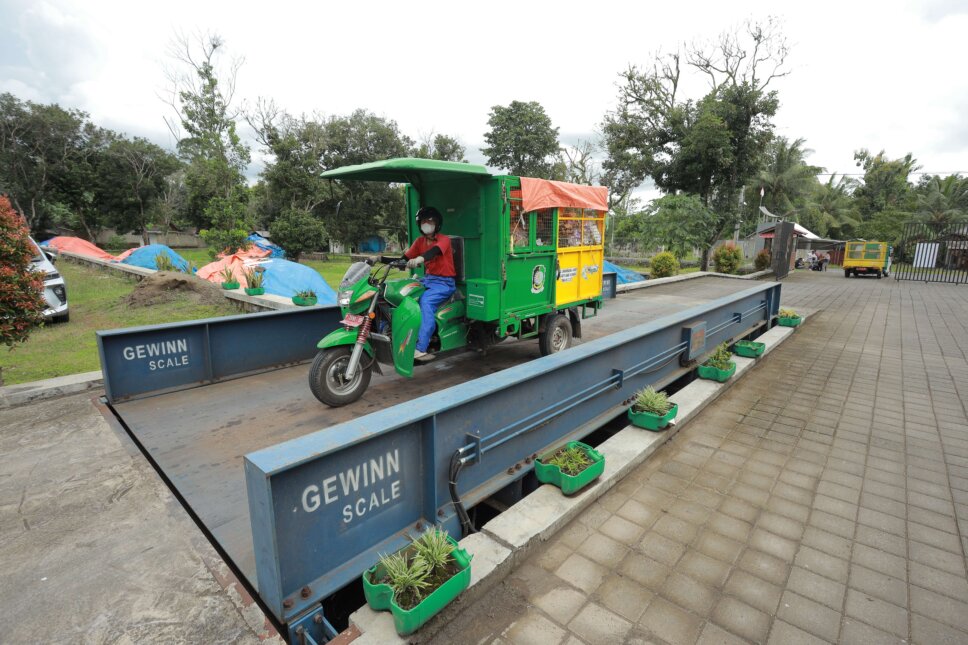
Mari: We saw the urgent need to address plastic pollution, especially in high leakage regions where waste often ends up in the environment. At Borealis, we believe that real progress happens when innovation, responsibility, and partnership come together. We didn’t want to fund a one-off initiative where we have limited control over the project. Instead, we - together with our co-founder Systemiq – set out to build a blueprint for circular waste management that could be replicated elsewhere. By supporting the local regency and working closely with the Indonesian government, strategic partners like Clean Rivers, and the communities, we invest in infrastructure (such as waste bins, vehicles for collection, and waste sorting facilities), support behavior change to engage households to participate in the waste collection, and ensure that the profits from selling the sorted waste fractions to recyclers stay within the community.
Can you share a story from the ground that illustrates the impact of Project STOP?
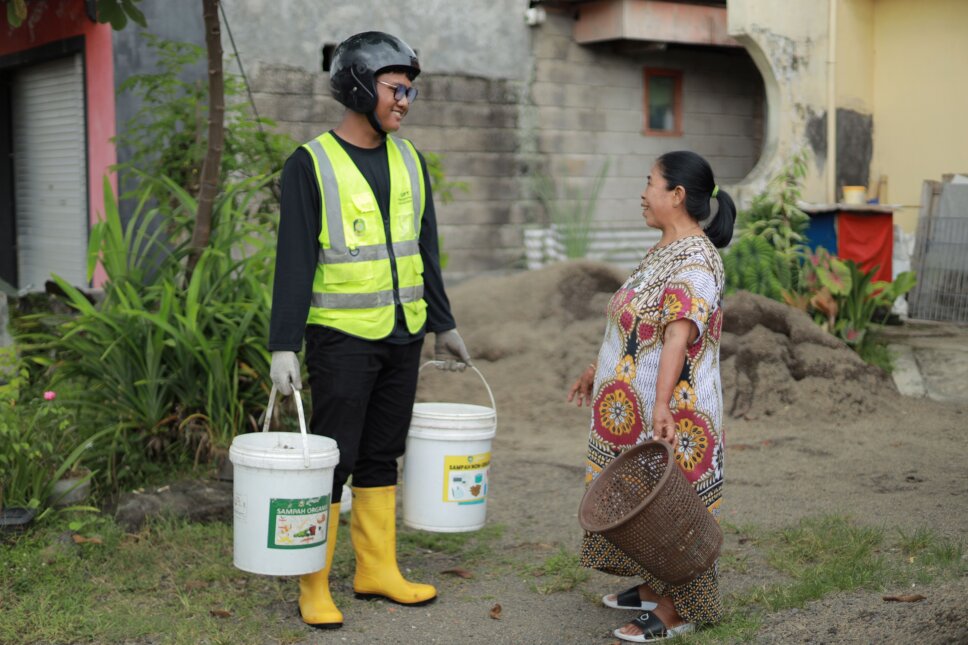
Mari: One story that stands out is from Singolatren village. When we started, plastic waste was a huge issue. Local people remember how managing trash used to be a daily struggle. People would dump it into the river next to their village or behind their houses, often to burn it, and the stench would often be unbearable. Things changed with the introduction of the waste collection in the village. People stopped throwing waste into the river, and started speaking up if they saw trash being thrown in the wrong place, taking on a sense of shared responsibility. At the end, it was also more convenient when waste pickers collected the trash directly from their door for the monthly fee worth a package of cigarettes. One of the ladies told us: “What matters most to me is how this has changed things for our children. My kids no longer see me throwing trash into the river. They see me separating it carefully and waiting for collection day. They’re learning by example - learning that waste doesn’t just disappear, and that we all have a role to play”. These stories remind us that every ton of waste collected improves someone’s life.
Community engagement seems to be a key part of the project. How do you foster participation?
Mari: Community engagement is at the heart of everything we do. In 2025, we in Project STOP, together with the Banyuwangi Regency intensified our behavior change efforts – door-to-door outreach, village meetings, and working with local influencers. These efforts have helped increase household participation rates, though we’re always striving for more. The leadership of Banyuwangi Regency has been crucial, earning national recognition for community-based sanitation and public health. When local leaders and residents are empowered, sustainable change is possible.
Looking ahead, what can we expect for Project STOP in 2026?
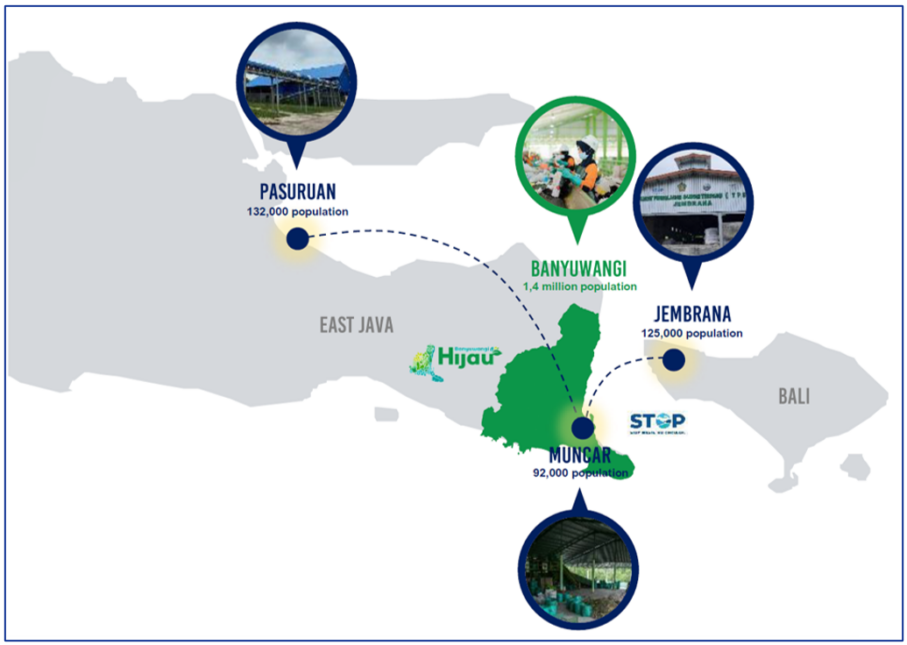
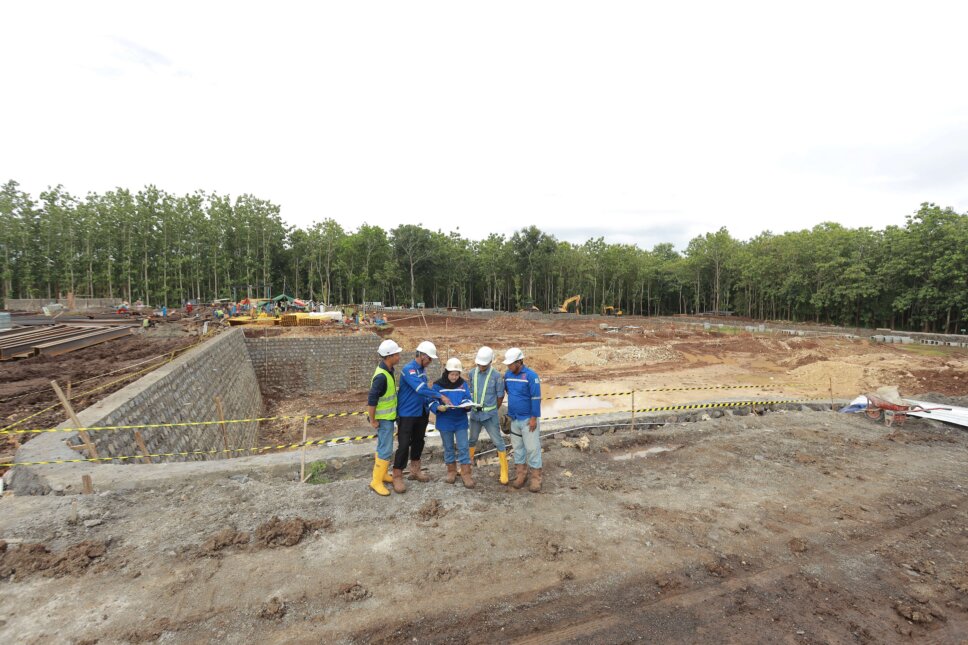
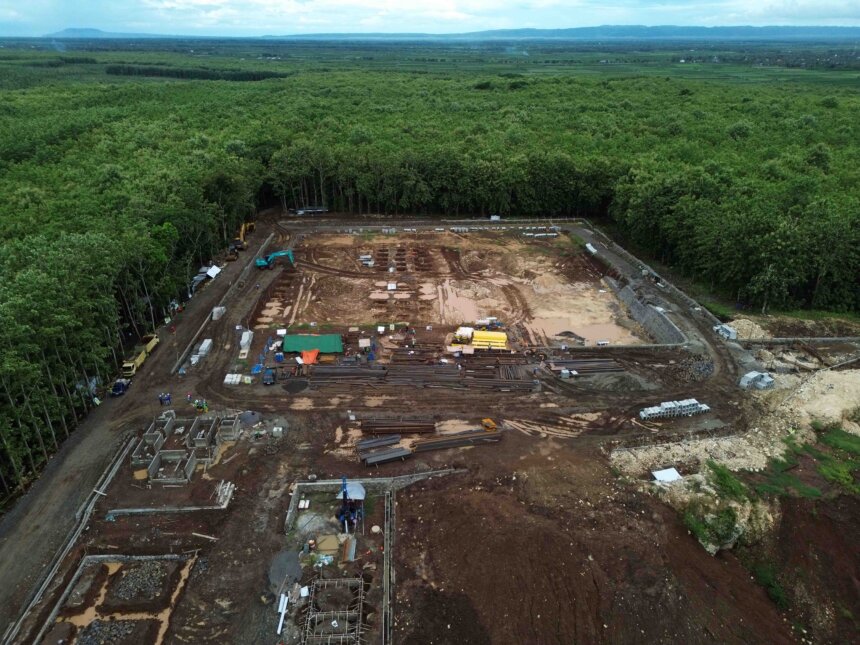
Mari: We’re not stopping here. In 2026, we’ll expand waste collection to additional villages, commission a second material recovery facility in Karetan, and begin construction of two new material transfer stations. Once operational, these facilities are expected to handle up to 260 metric tons of waste per day (which equals the amount of waste to fill an Olympic-size swimming pool), enabling access to waste services for up to two million people in Banyuwangi Regency. We’re also excited about innovations like turning recycled polypropylene from Project STOP’s collected plastic waste into flower pots, called Wild Pots. This demonstrates how innovation across the value chain can turn collected plastic waste into high-value products.
Finally, what does Project STOP mean to you and to Borealis?
Mari: Project STOP began as an idea within Borealis, but it has grown into a movement powered by collaboration, innovation, and local pride. For me personally, this journey is deeply meaningful: after many years in corporate roles, I chose to move from Europe to Indonesia to work closer to the ground and see the direct impact of my work. The real achievement is not only in the tons of waste collected, but in the lives changed and the hope restored. Together with Systemiq, Clean Rivers, Banyuwangi regency and our other local partners, we are building a future where plastic is valued, not wasted, and where communities can be proud of the cleaner, healthier world they are creating. At Borealis, we are proud to lead the way and invite everyone to join us in making circular solutions a reality.
Would you like to follow Project STOP’s ongoing journey and meet the people making a difference? Visit www.stopoceanplastics.com for the latest updates, and join our community on LinkedIn to see how the initiative continues to grow and create impact.
Read the latest media release on Project STOP’s achievements in 2025 here.
This blog post is also available in German language.